
Scope of Practice and Professional Boundaries
Holistic nutrition professionals must adhere to their Scope of Practice. They do not diagnose, treat, cure, prescribe, manage, or claim to heal disease. Their expertise is in understanding how nutrition and lifestyle affect clients’ overall well-being.
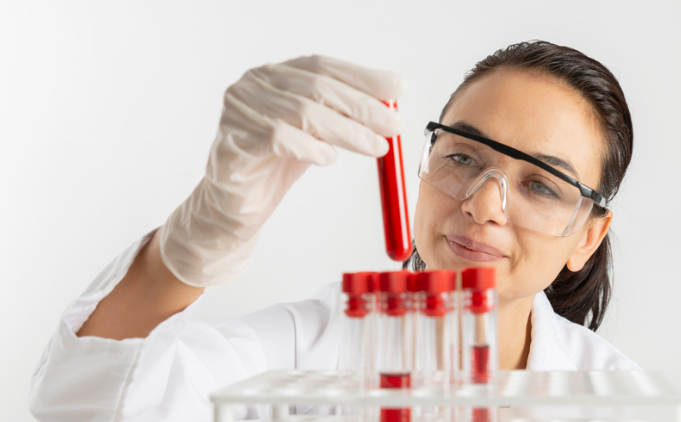
Holistic nutrition professionals are trained to review and interpret laboratory data, such as vitamin and mineral levels and other biomarkers, to assess nutritional status and wellness. Laboratory findings can help identify where nutrition and lifestyle changes may support better health.
If a practitioner identifies concerns beyond their Scope of practice, they must refer the client to a licensed medical provider. Referral is required whenever medical diagnosis, treatment, or disease management is needed.
The holistic nutrition professional’s role is educational and supportive. Recommendations aim to optimize nutrition and promote wellness based on individual needs, not to treat specific medical conditions. Practitioners may collaborate with licensed healthcare providers to ensure nutrition and lifestyle guidance complements, rather than replaces, conventional medical care.
Laboratory Access Options
Holistic nutrition professionals may access laboratory testing through legally appropriate pathways, including:
1. Laboratory Services with Medical Oversight
Some laboratories permit holistic nutrition professionals to open professional accounts. Practitioners may also work through clinical laboratory service providers such as Evexia Diagnostics or Rupa Health.
In these arrangements, a licensed medical doctor or other qualified provider reviews and authorizes laboratory requests. This process ensures medical oversight and prevents practitioners from exceeding their Scope of Practice under state laws.
Practitioners are responsible for understanding and complying with state-specific regulations governing laboratory ordering and interpretation.
2. Direct Access Testing (DAT)
Many states allow consumers to order certain laboratory tests without a physician’s prescription. This is known as Direct Access Testing (DAT).
Clients may obtain tests directly from laboratories such as Labcorp or Quest Diagnostics, subject to state laws.
In these cases:
* The client initiates and authorizes the test.
* The client assumes responsibility for ordering.
* Costs are typically out-of-pocket, but may qualify for Health Savings Account (HSA) or Flexible Spending Account (FSA) reimbursement.
This approach removes the practitioner’s legal responsibility for ordering tests, but still allows them to provide educational interpretation within their Scope.
Examples of commonly available Direct Access Tests may include:
* Lipid panels (including triglycerides)
* Vitamin and mineral status panels
* Thyroid function screening
* Cortisol testing
* Complete blood counts (CBC)
Please note: Tests available will vary by state.
Prohibited or Inappropriate Testing in the United States
Holistic nutrition professionals in the United States must not perform procedures involving physical contact or invasive techniques. They are not permitted to draw blood, perform finger-prick testing, or collect biological specimens unless separately licensed.
Practitioners should also avoid testing methods that lack scientific validation or are widely considered pseudoscientific. Examples include:
* Iridology
* Ear candling
* Live blood microscopy
Holistic nutrition professionals should use only laboratory testing methods that meet accepted scientific standards and evidence-based principles.
Professional Standards
All laboratory-related activities must:
* Remain within the Scope of Practice
* Comply with state and federal regulations
* Maintain appropriate medical oversight when required
* Prioritize client safety
* Avoid claims related to the diagnosis or treatment of disease
Our role as holistic nutrition professionals is to provide guidance and education on optimizing nutrition and promoting wellness through dietary and lifestyle changes tailored to individual needs. While lab testing is a tool to guide our recommendations, it should not be used to diagnose or treat medical conditions. When we see patterns that are outside our Scope of Practice, we should defer and refer our client to an appropriate licensed medical provider. When we collaborate with other healthcare practitioners, we respect our clients by recognizing our legal and ethical boundaries.
Specialty Labs Approved for Holistic Nutrition Professionals:
- DHA Laboratory
- DUTCH Test
- Genova Diagnostics
- MaxGen Labs
- SNiP Nutrigenomics
- YorkTest Laboratories